
Wireless Carrier Facilities
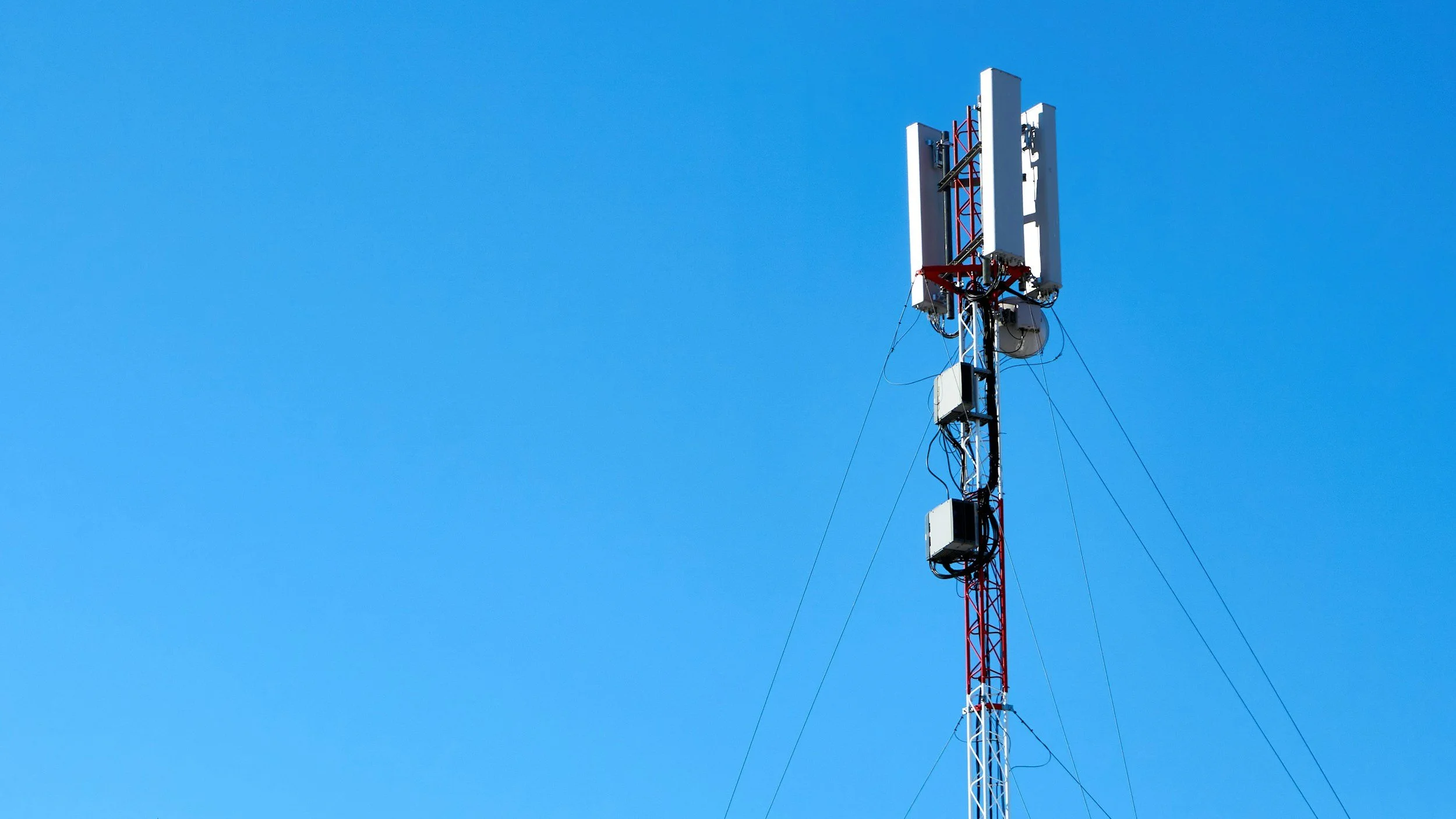
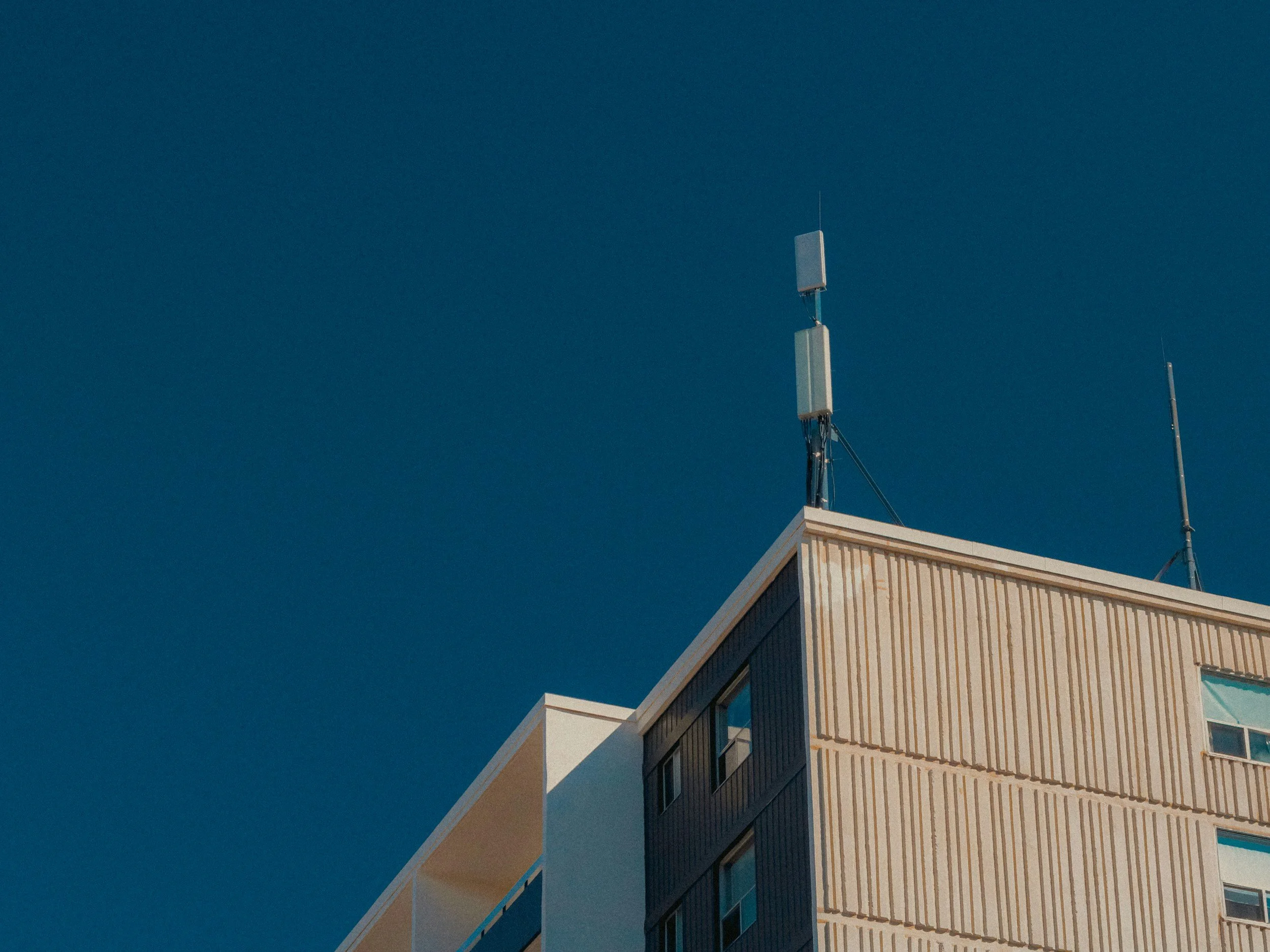
Wireless carriers need antenna locations throughout Colorado—on rooftops, water towers, utility poles, and ground parcels. If your property has been identified as a potential site, the lease you sign today will govern that relationship for 20-30 years or more.
Common Wireless Facility Types:
Rooftop cellular antennas
Small cell installations on utility infrastructure
Traditional cell towers and monopoles
Stealth designs (flagpoles, clock towers, architectural features)
Why Property Owners Need Legal Counsel
Carrier lease proposals are drafted by experienced real estate teams protecting the carrier's interests. These agreements include:
Long-term lease terms with multiple renewal options
Below-market escalation clauses
Broad rights to modify, upgrade, and sublease equipment
Complex termination provisions
Potential zoning and land use implications
My Background
As former Division Chief at the Colorado Springs City Attorney's Office, I wrote the zoning code for wireless facilities. In private practice, I represented a national wireless facility operator. I understand both the business side of these deals and the regulatory requirements that govern wireless infrastructure in Colorado Springs.
Services for Property Owners:
Lease review and negotiation with carriers and tower companies
Assessment of zoning and land use compliance requirements
Coordination with the City on permit approvals
Evaluation of carrier proposals and market lease terms
Long-term strategic advice on property development impacts
Whether you're considering a rooftop lease, evaluating a tower development proposal, or negotiating with Crown Castle, American Tower, or other wireless infrastructure companies, I provide informed counsel that protects your property rights and maximizes lease value.
Contact Bolinger Law to discuss your wireless facility opportunity.
-
Lease rates vary significantly based on location, site type, and carrier needs. Standard carrier proposals often start with below market rates with minimal annual escalations. An attorney can help you evaluate whether the offered terms reflect true market value for your specific property.
-
Initial lease terms are typically 5-10 years, but carriers include multiple renewal options that can extend the relationship for 20-30 years or longer. These renewals are usually at the carrier's option, not yours. Once a facility is installed, removal is expensive and disruptive, giving carriers significant leverage. Understanding the long-term implications before signing is critical.
-
Most carrier lease agreements include broad sublease and colocation rights, allowing the original tenant to lease space to competitors without your approval or additional compensation. This can mean multiple carriers operating equipment on your property under a single lease payment. Negotiating colocation terms upfront—including additional rent for secondary tenants—protects your interests.
-
Yes. Colorado cities have specific zoning regulations governing wireless facilities, including location restrictions, design standards, and permit requirements. The carrier typically handles the permitting process, but as property owner, you remain responsible for land use compliance. An attorney familiar with local regulations can identify potential issues before you commit to a lease.
-
Wireless leases often survive property sales, meaning the new owner inherits the lease terms and restrictions. This can complicate sales or limit redevelopment options, as removing an active facility may require expensive buyouts or trigger complex termination provisions. Review these provisions carefully before signing to understand how a lease might affect your property's future use and value.
FAQ
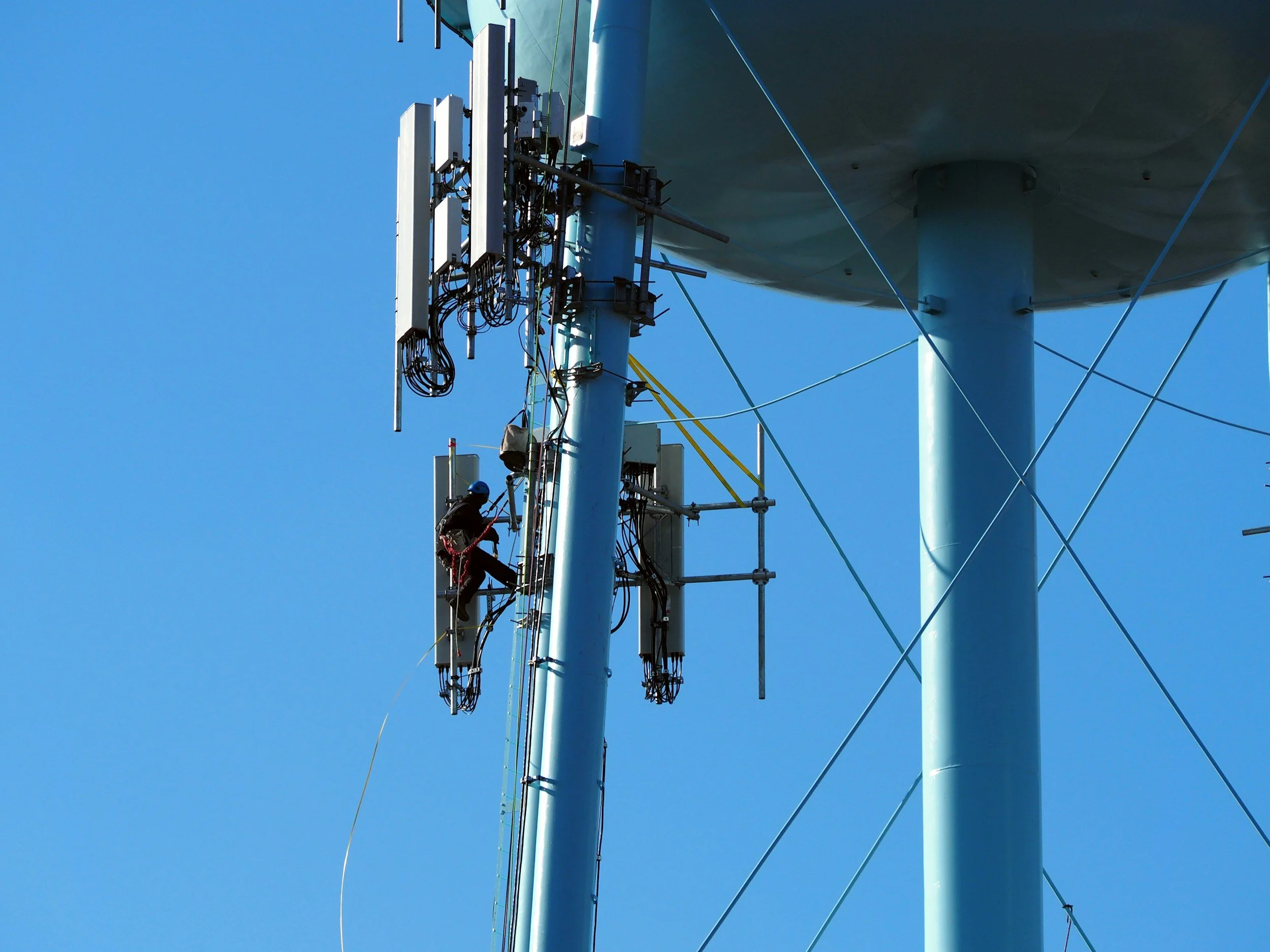
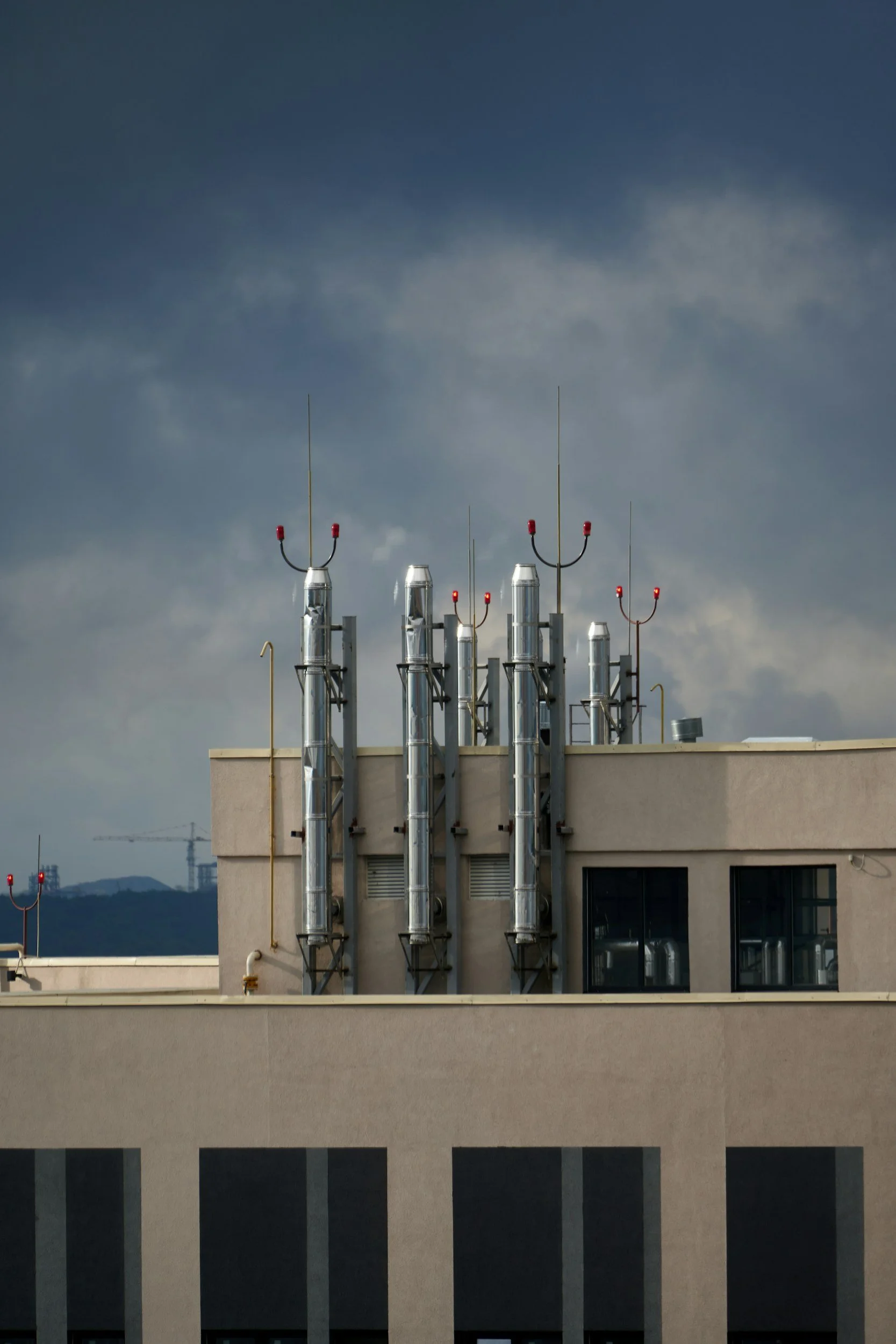
Contact
If you have been approached for a wireless lease or easement, I would be happy to discuss how I can help.